


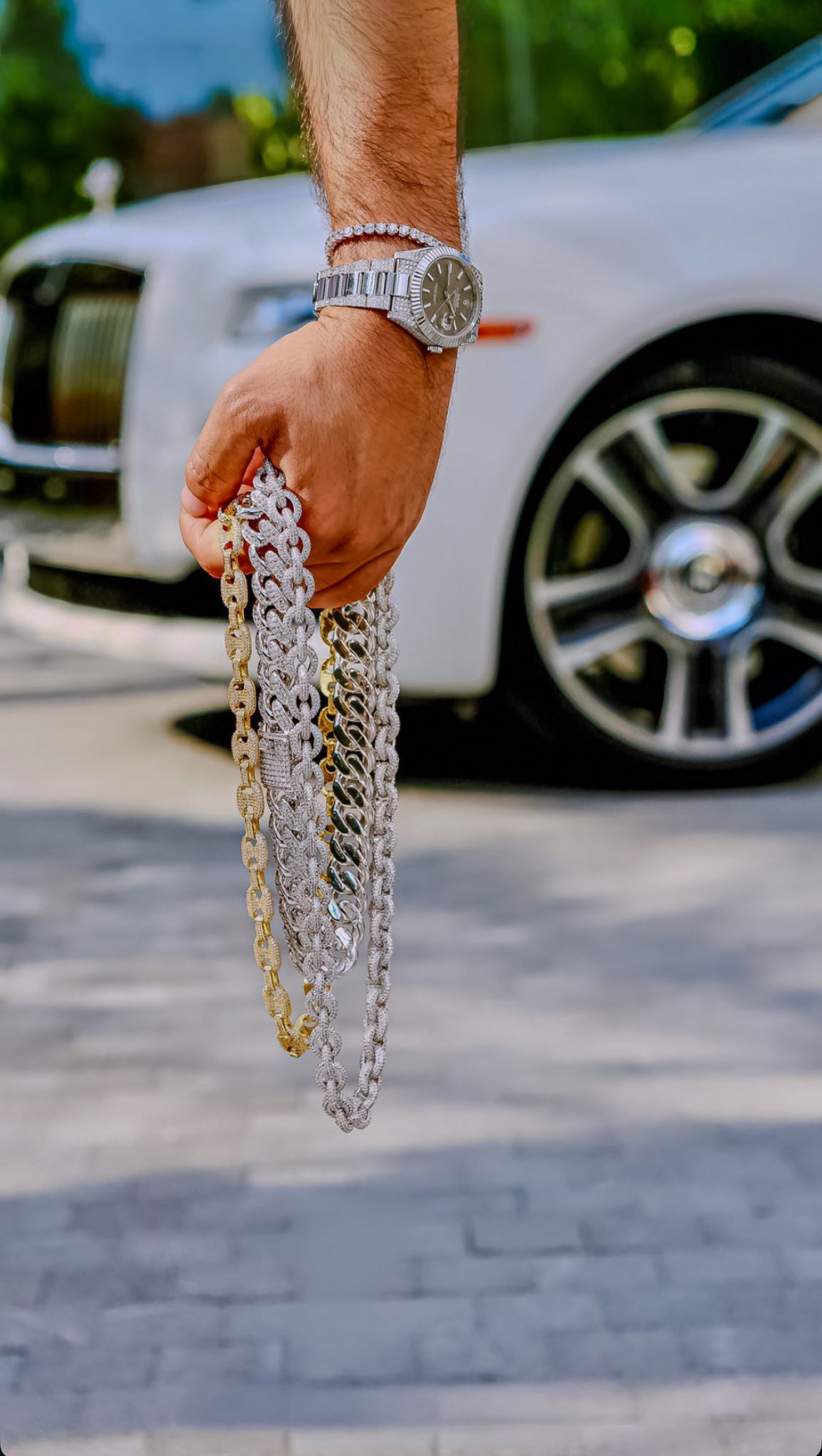
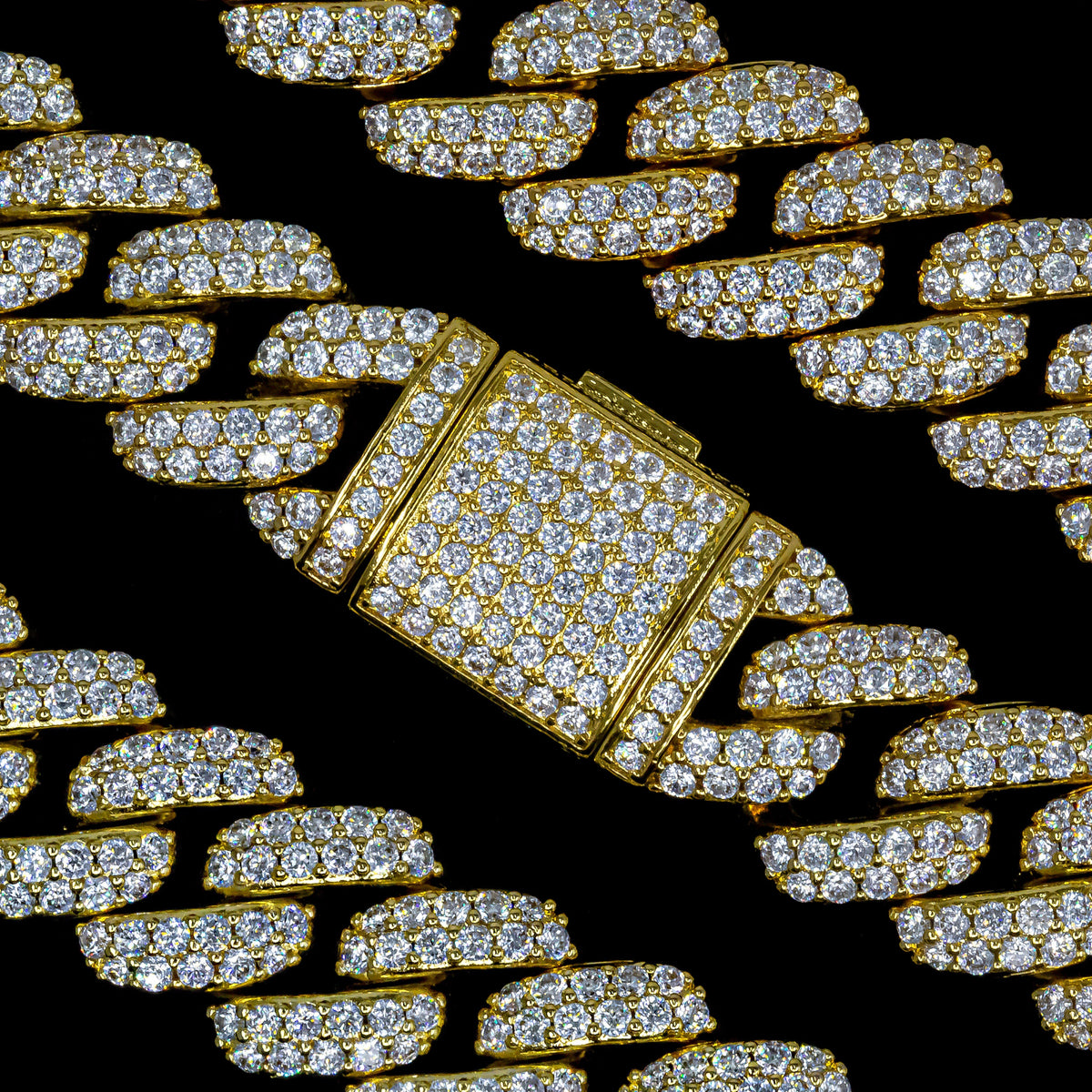
22K gold is 91.7% pure gold, with 8.3% other metals mixed in. That puts it between 18K (75% pure) and pure 24K. The result is a richer, deeper yellow color than lower karats can achieve. It is also significantly softer.
How 22K compares to other karats
| Karat | Gold % | Hardness | Color | Common use |
|---|---|---|---|---|
| 24K | 100% | Very soft | Deep saturated yellow | Bars, coins, ceremonial |
| 22K | 91.7% | Soft | Rich yellow | High-end jewelry in India and Middle East |
| 18K | 75% | Medium | Warm yellow | Western fine jewelry |
| 14K | 58.3% | Hard | Pale warm yellow | US/Europe daily wear |
| 10K | 41.7% | Very hard | Cool pale yellow | Budget jewelry, durable settings |
22K reads warm and unmistakable. People who have only worn 14K and 18K notice the color shift immediately when they hold 22K next to other gold. The piece looks more "obviously" gold.
Why 22K dominates in some markets
In India, Pakistan, the Gulf states, and parts of Southeast Asia, jewelry is bought partly as an investment vehicle. Wedding jewelry and family heirlooms are stored as a form of savings. Higher gold content (closer to pure) holds more melt value, so 22K is the default karat in those markets.
The cultural preference also leans toward richer yellow tones. 22K delivers that without going to pure 24K (which is too soft for almost any jewelry application).
Why hip-hop jewelry rarely uses 22K
Two reasons.
Hardness. Hip-hop pieces are statement-sized and stone-set. A 12mm cuban in 22K bends under its own weight over time. The prongs holding stones do not grip as well as harder alloys. Tennis chains warp.
Cost. A 12mm cuban in 22K costs significantly more than the same chain in 14K or 18K because more pure gold goes into the piece. For iced-out jewelry where the stones already drive most of the perceived value, paying extra for a softer base makes less sense.
When 22K does make sense
For plain chains worn occasionally (not daily). For pieces meant as gifts or heirlooms where the gold content is part of the value story. For pieces built with reinforced links that compensate for the softer alloy.
22K does not make sense for daily iced-out wear, gym wear, or any piece where prongs need to grip stones aggressively.
Where SKRT lands
SKRT pieces use 18K plating over a quality hardened base. The 18K color sits between 14K (cooler) and 22K (richer), which is the most photographed gold tone in hip-hop jewelry. The hardened base provides the durability that solid 22K cannot match.
If the goal is the deepest possible yellow color, 22K solid is the right answer (with the budget and care to match). If the goal is rich yellow color combined with daily-wear durability, 18K plated wins on both fronts.
Quick takeaway
22K is high-purity, rich-color, soft gold. Great for occasion wear and investment jewelry. Wrong for daily iced-out pieces. Browse the SKRT yellow gold collection for the 18K alternative that handles daily wear without compromising on color.
SKRT picks fitting this guide: the 12mm Cuban Link Chain in 18K Yellow Gold and the 3mm Tennis Chain in 18K Yellow Gold.
Share:
How to Store Hip-Hop Jewelry to Prevent Tarnish
Timeless Pendants That Go With Any Fit