


Tarnish is what happens when air, moisture, and other reactive metals touch jewelry over time. Wearing the piece slows tarnish down (skin oils protect the surface). Storing it wrong speeds tarnish up.
The good news: storing jewelry right takes thirty seconds per piece and a few cheap supplies.
What actually causes tarnish
Three things drive it:
- Oxygen. Slow but constant. Air-exposed metal tarnishes faster than air-sealed.
- Moisture. Bathroom air, humid climates, and even your breath when you exhale near jewelry. Moisture combined with oxygen accelerates tarnishing dramatically.
- Sulfur. Found in rubber bands, latex, certain fabrics (wool), some woods (oak, cedar), and some skin-care products.
Avoid all three and the jewelry stays the way it was the day you bought it.
The right storage setup
A jewelry storage system has three layers. Most people skip the first two.
Layer 1: Anti-tarnish pouches or strips. A soft anti-tarnish cloth pouch costs a few dollars and absorbs sulfur compounds for up to six months. Drop each piece in its own pouch. Do not mix pieces together (metal-on-metal causes scratches and accelerates tarnish on contact points).
Layer 2: A sealed box or drawer organizer. The pouches go inside a box that limits air exposure. A lined wooden jewelry box works. A plastic bin with a sealed lid works. A drawer organizer with a closed cover works. What does not work: open trays, dishes on a dresser, or hooks in a bathroom.
Layer 3: Climate control. Store jewelry in the driest room of the house. Bathrooms are the worst possible location because of shower steam. Bedrooms or walk-in closets are better. If you live somewhere humid (Florida, Gulf coast, tropical climates), drop a few silica gel packets into the storage box every few months.
The one thing most people get wrong
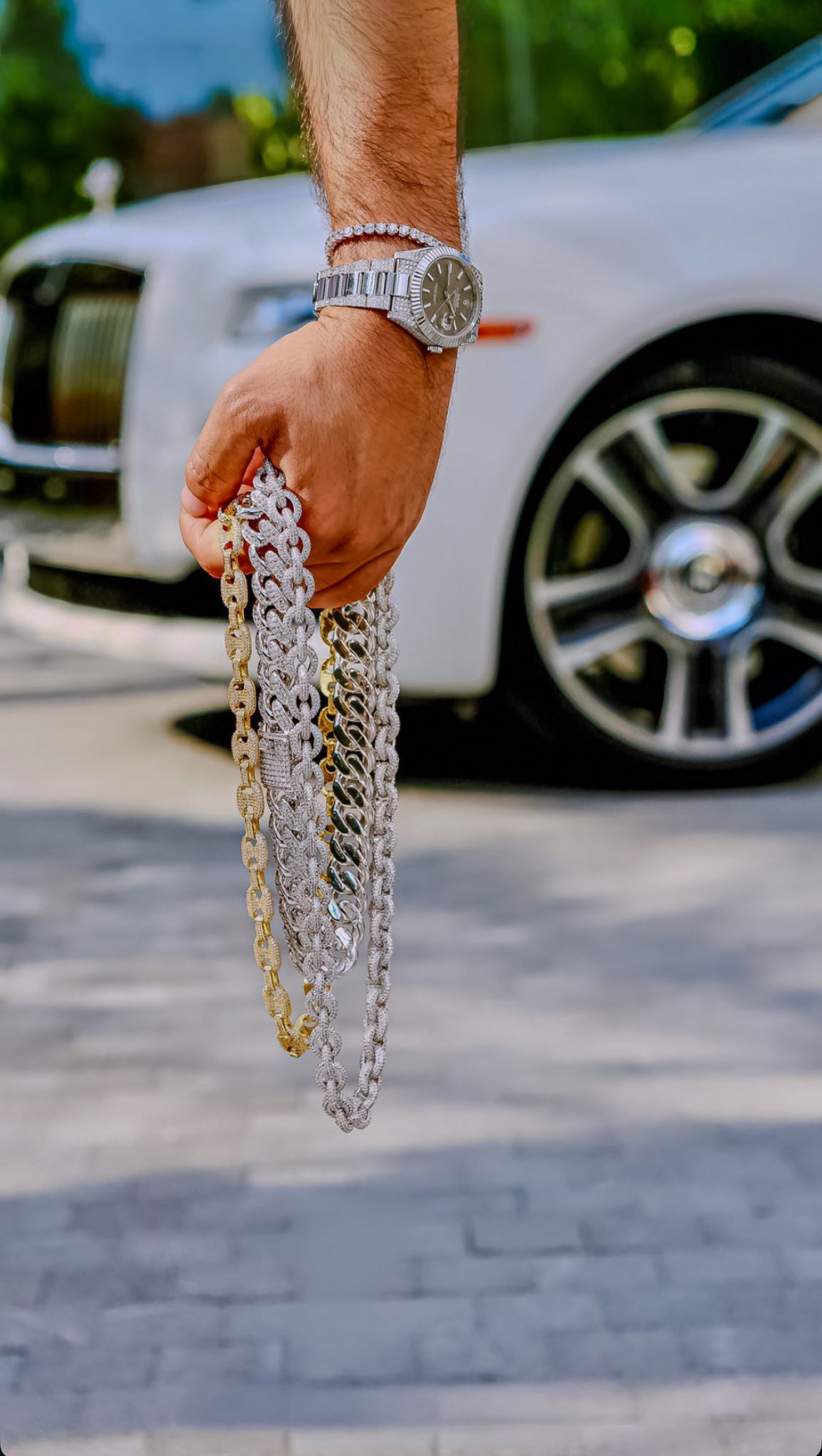
Storing chains in tangled piles. Two iced-out pieces touching each other in a bowl will scratch each other's settings and accelerate tarnish at the contact points. Always one piece per pouch, always pouches separated.
For chains specifically, lay them flat in a long pouch or hang them from a chain stand. Coiled chains develop weak spots where the loops press against each other repeatedly.
Special rules for iced-out pieces
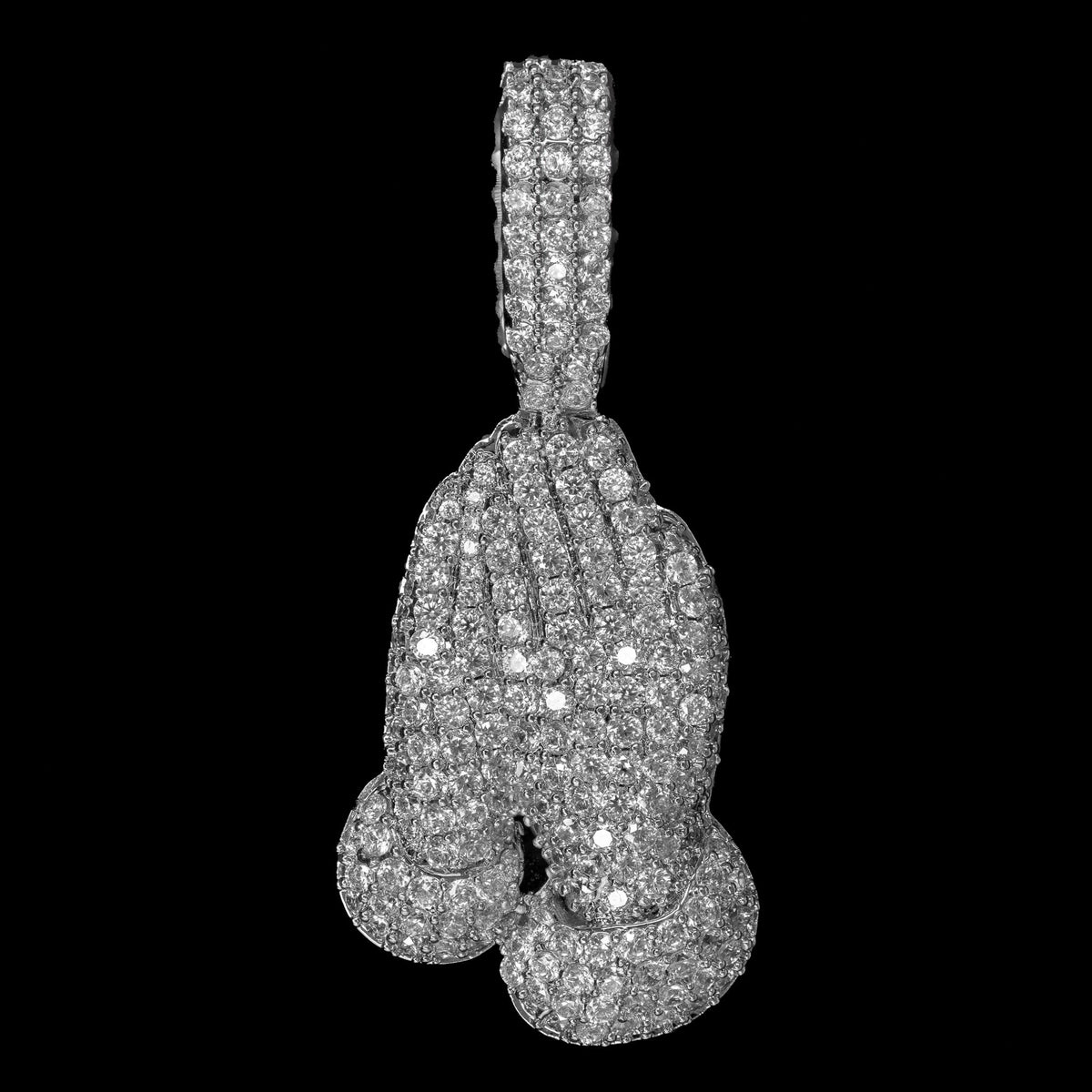
Stones can come loose if jostled in storage. Iced pieces deserve a dedicated pouch with no other piece inside. If you can, store iced pendants flat (face up) instead of hanging, so the prongs do not bear the pendant's weight.
What about velvet trays and rings displays
Velvet looks luxe but it traps moisture against jewelry. If you use a velvet-lined box, add a silica gel packet inside and air the box out every few weeks. Anti-tarnish cloth (treated with sulfur absorbers) is better than velvet for long-term storage.
Quick checklist
- One piece per pouch, anti-tarnish material
- Sealed box, not open tray
- Dry room (bedroom or closet, not bathroom)
- Silica gel packets if humid climate
- Chains laid flat or hung straight, not coiled in piles
Do all five and your pieces stay the color they came in.
Browse the SKRT collection for pieces built to wear daily, with plating thick enough to handle the occasional storage slip-up.
SKRT picks fitting this guide: the 12mm Cuban Link Chain in 18K Yellow Gold and the 4mm Tennis Chain in 18K Yellow Gold.

Share:
What to Do If a Stone Falls Out of Your Iced-Out Piece
What Is 22K Gold? Is 22K Gold Good Quality for Chains?