
The most common complaint about gold-plated jewelry is tarnish. A chain that looked bright at purchase loses color in months, especially around clasps, prong tips, and contact points with the skin. The cause is usually one of three failures: plating thickness, base material, or both.
SKRT cubans avoid all three. Here is the spec and how we verify it.
Plating thickness: heavy by design
Plating thickness is what separates a chain that holds its color from one that does not. Industry plating runs roughly:
- Flash plating: barely there. Decorative only.
- Standard plating: looks the same on day one as heavy plating, but wears through in months.
- Heavy plating: better, but still wears at high-contact points.
- SKRT plating: heavy 18K gold. Outlasts almost every consumer-grade plating.
The difference is not visible at purchase. It only shows up after months of wear. A flash-plated chain and a heavily plated chain look identical the day they leave the factory. Six months later, only one of them still looks new.
Base alloy: what is under the gold
Plated jewelry is gold over a base metal. The base alloy matters because (1) the plating bonds to it during manufacturing, and (2) if the plating ever wears through, the base is what shows.
Common base alloys:
- Brass: cheap, but the copper content reacts with skin oils and accelerates tarnish at contact points
- Stainless steel: durable, but cold-feeling and harder to plate evenly
- Sterling silver: warmer color, takes plating well, but adds cost
- Proprietary hardened alloys: engineered for plating retention; SKRT's choice
SKRT uses a hardened proprietary alloy that grips plating better than pure brass and resists the skin-oil reaction that causes contact tarnish. The base color also reads close to gold rather than the silver-gray of stainless steel, so the (rare) thinning shows less.
How we test plating before pieces ship
Every batch of SKRT plated pieces goes through:
- Visual inspection for plating uniformity. No thin spots, no skips on prong backs or clasp interiors.
- Adhesion test. A controlled scratch on a sample piece to verify the plating bonds rather than flakes.
- Salt-fog test. A small batch sample is exposed to humidity and salt mist for an accelerated wear simulation. Pieces that pass show no visible color change.
- Final QC photo set. Each piece is photographed at the end of the line for comparison against the next batch.
Pieces that fail any check do not ship. That extra QC adds cost but it is what keeps the warranty manageable.
Why this matters for the warranty
When the plating spec is honest, the warranty becomes a real promise instead of a marketing line. SKRT offers lifetime warranty on plating because we know what the plating will actually do. A brand with flash plating cannot offer a real warranty because they know the plating wears through.
The way to read a warranty: longer warranty + clearer terms = more confidence in the underlying material.
What you can do on your end
Even thick plating responds to care. Three habits extend any piece's life:
- Take pieces off before showering. Soap film accelerates tarnish at contact points.
- Avoid chlorine and salt water. Chemicals attack plating faster than skin oils.
- Store in anti-tarnish pouches. Off-time storage matters more than people think.
Doing all three keeps a SKRT cuban looking new for years. Doing none of them still keeps it looking new for longer than budget plating, because the spec underneath is doing the work.
Bottom line
Heavy 18K gold plating. Hardened base alloy. Multiple-stage QC. Lifetime plating warranty. That spec is the actual reason SKRT cubans hold color when budget chains do not.
Browse the cuban link collection for pieces built with this plating spec across every width and metal tone.
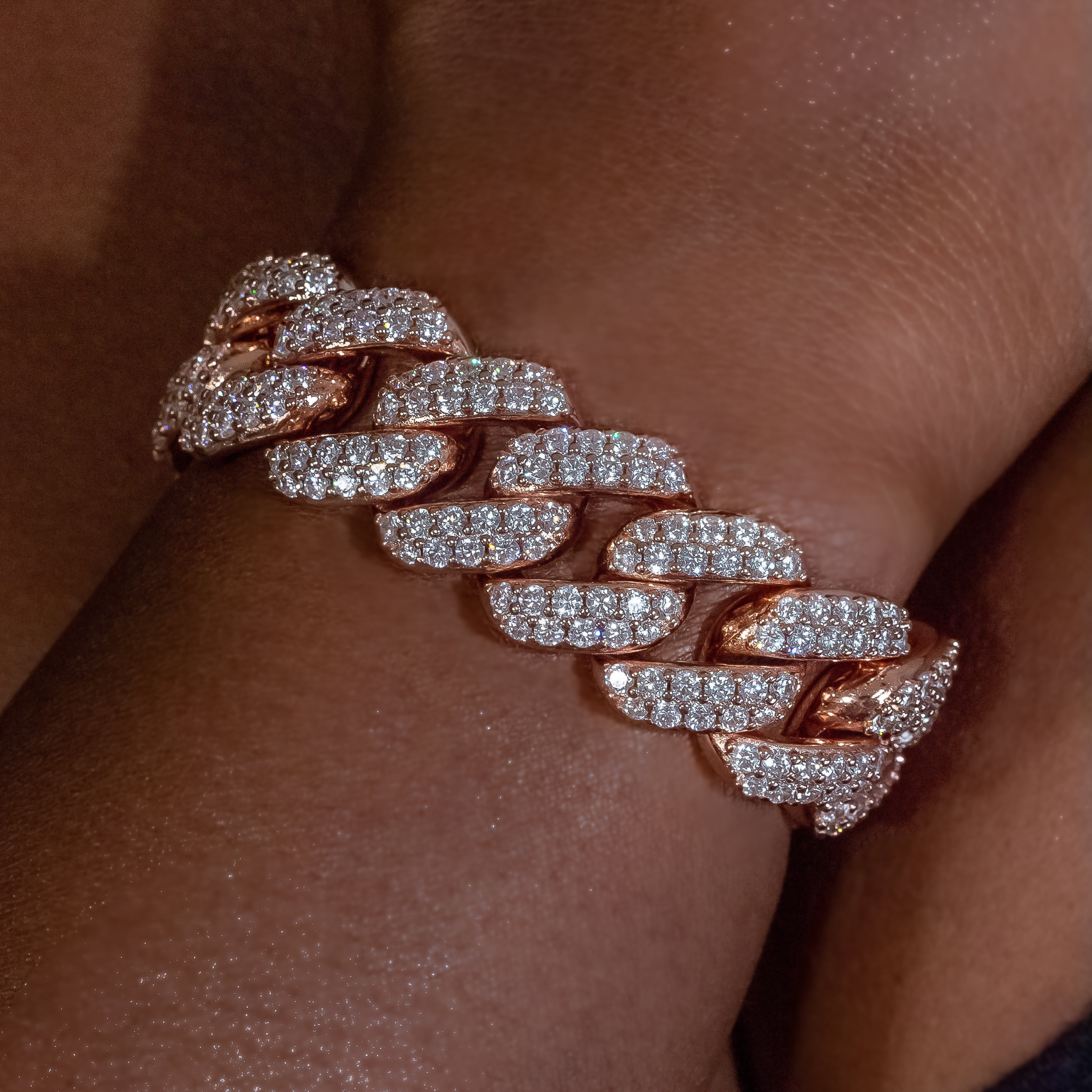
SKRT picks fitting this guide: the 12mm Cuban Link Chain in 18K Yellow Gold, the 12mm Cuban Link Chain in 18K White Gold, and the 18mm Rose Gold Flower Set Cuban Link Bracelet.


Share:
How to Tell Real Gold Jewelry From Fake Online
Under $500, $1K, $2K: SKRT's Tier-by-Tier Buying Guide