


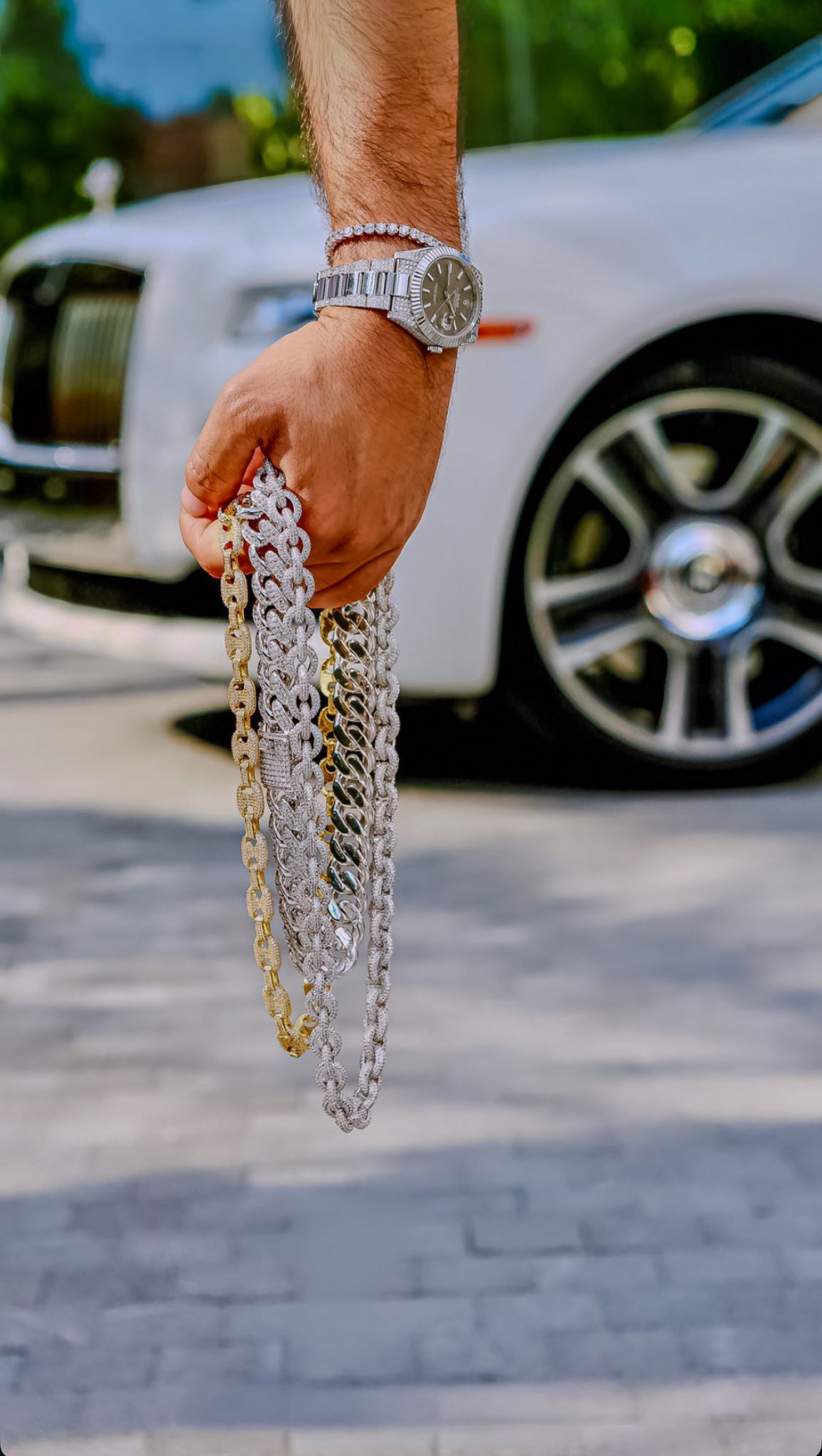
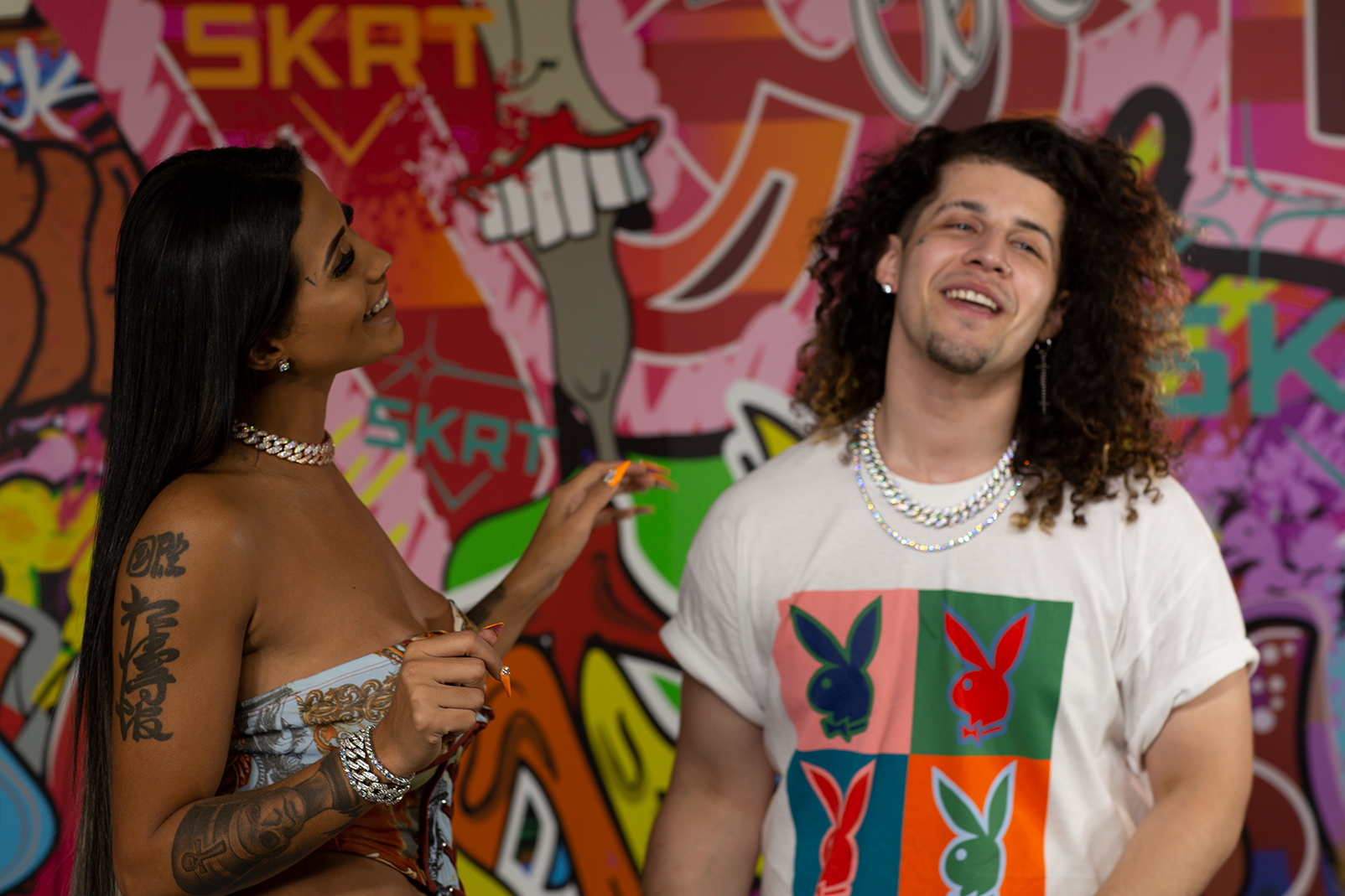
Walk into any major city in 2026 and look at men under 35. Chains, bracelets, rings, earrings. The jewelry-on-men boom is real and the data backs it.
The numbers
Men's fine jewelry sales globally have grown roughly 8 to 10 percent annually since 2018, while overall jewelry sales grew 3 percent in the same period. The gap is made of men buying jewelry for themselves, not as gifts.
The category that grew fastest: hip-hop and streetwear-aligned chains, bracelets, and pendants. Premium silver jewelry grew, demi-fine grew, but the category that took share fastest was iced-out and gold-tone hip-hop jewelry priced 200 to 2,000 dollars.
Three things changed
This wasn't accidental. Three forces drove the shift simultaneously.
1. Hip-hop went fully mainstream
In 2010, hip-hop was a music genre with strong subcultural identifiers. By 2020, hip-hop was the dominant force in mainstream pop culture, and its visual identity (chains, pendants, designer streetwear, customized jewelry) had become aspirational across demographics.
When Travis Scott, Drake, Tyler the Creator, and dozens of others showed up consistently in chains, the floor shifted. Wearing a chain stopped being a "hip-hop thing" and became a "men's fashion thing".
2. Streetwear gave men permission
Streetwear culture broke down older rules about what men could wear. Loud colors, oversized cuts, designer logos, statement accessories. Once those rules broke for clothing, jewelry followed.
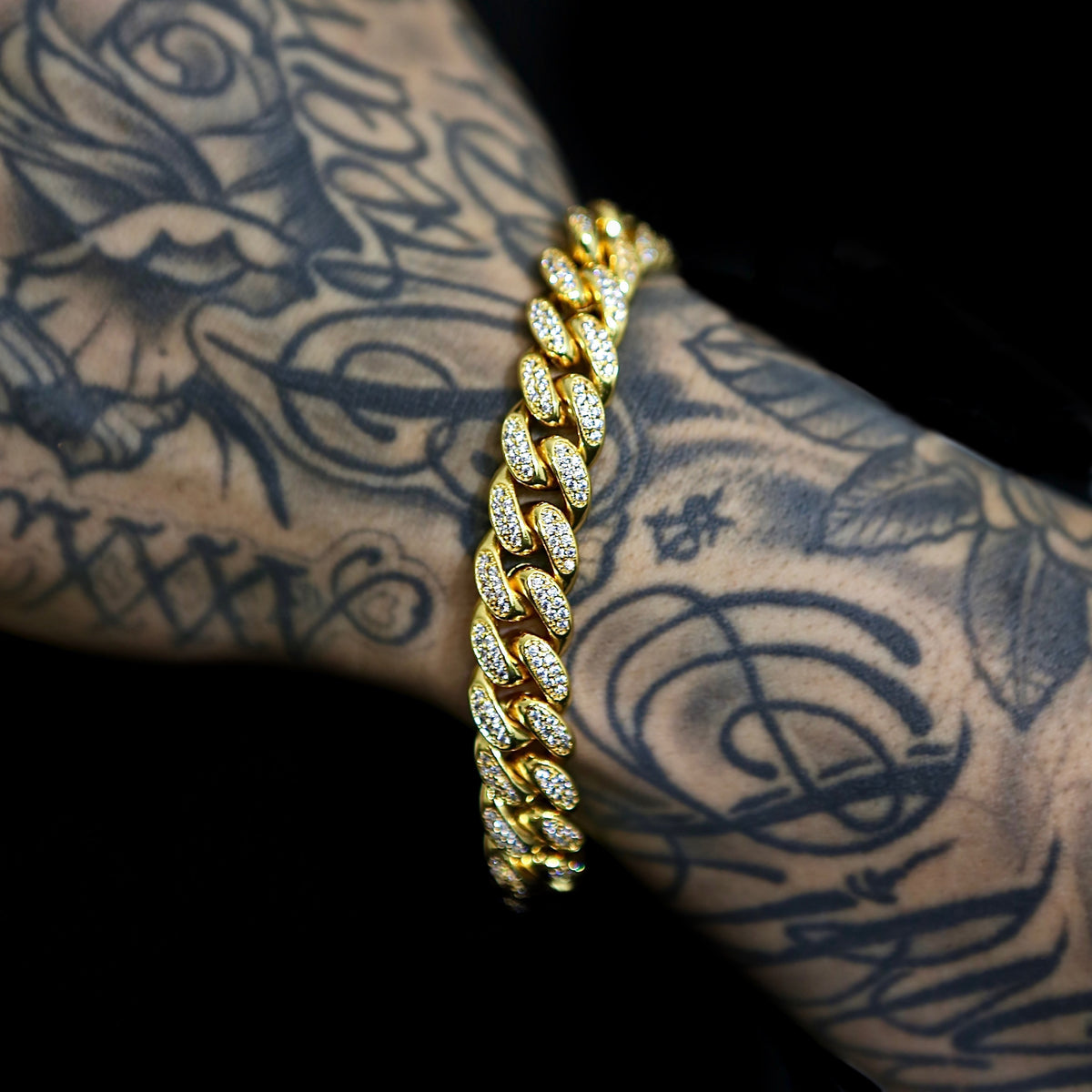
A man wearing a 10mm cuban link in 2010 made a statement. A man wearing a 10mm cuban link in 2024 was just dressed.
3. Jewelry got accessible at the iced-out tier
Until roughly 2015, the iced-out look meant solid gold and natural diamonds, putting it at 5,000 dollars for a mid-tier chain. Lab diamonds, moissanite, and high-grade CZ changed the math. The same look at 200 to 500 dollars opened the category to anyone, not just artists already established.
This price drop is what turned hip-hop jewelry from "buy after you make it" to "buy because you like it".
What men are buying
The composition of men's jewelry purchases shifted with the price drop. Three categories dominate:
- Cuban link chains and bracelets (35 to 40 percent of men's hip-hop jewelry sales)
- Tennis chains and bracelets (20 to 25 percent)
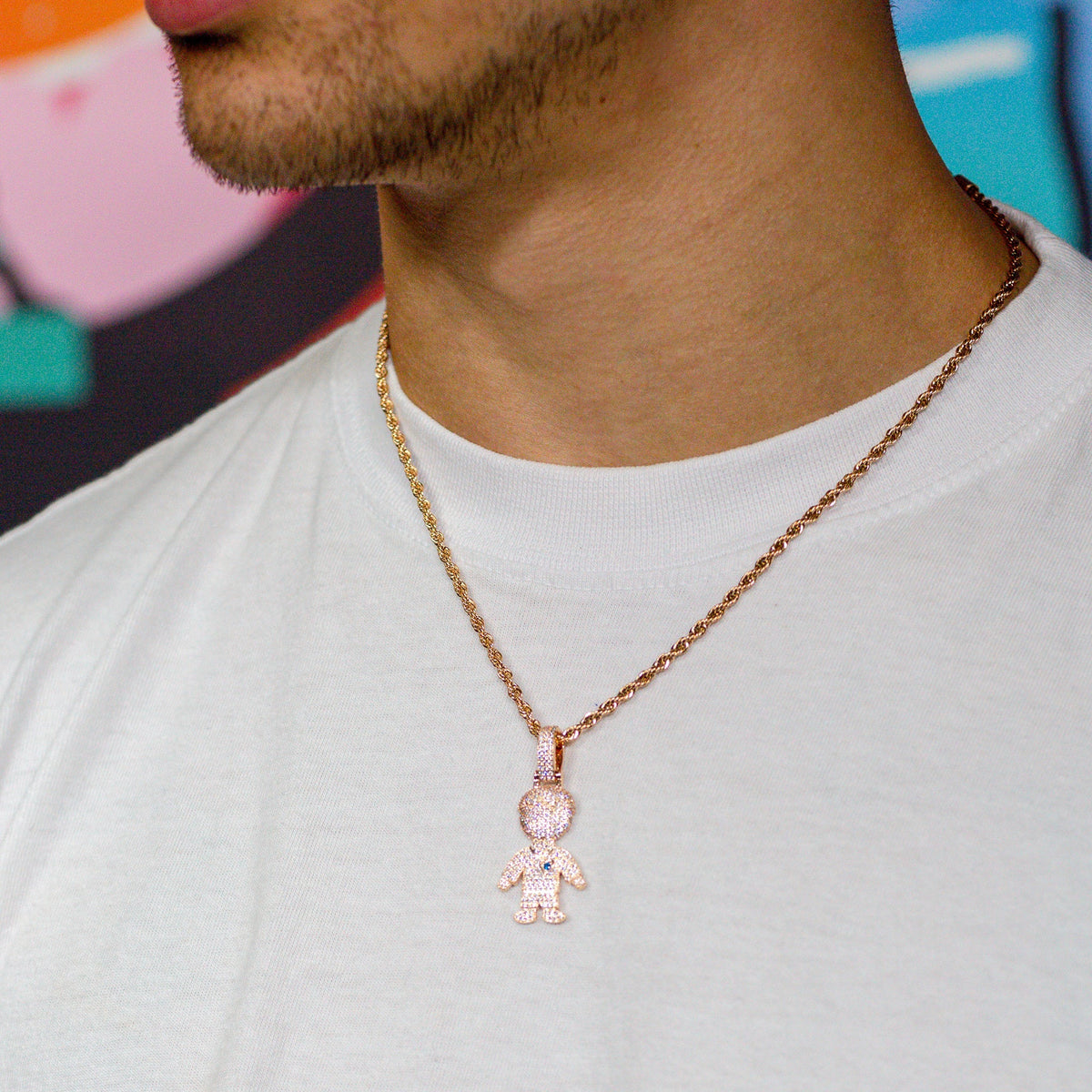
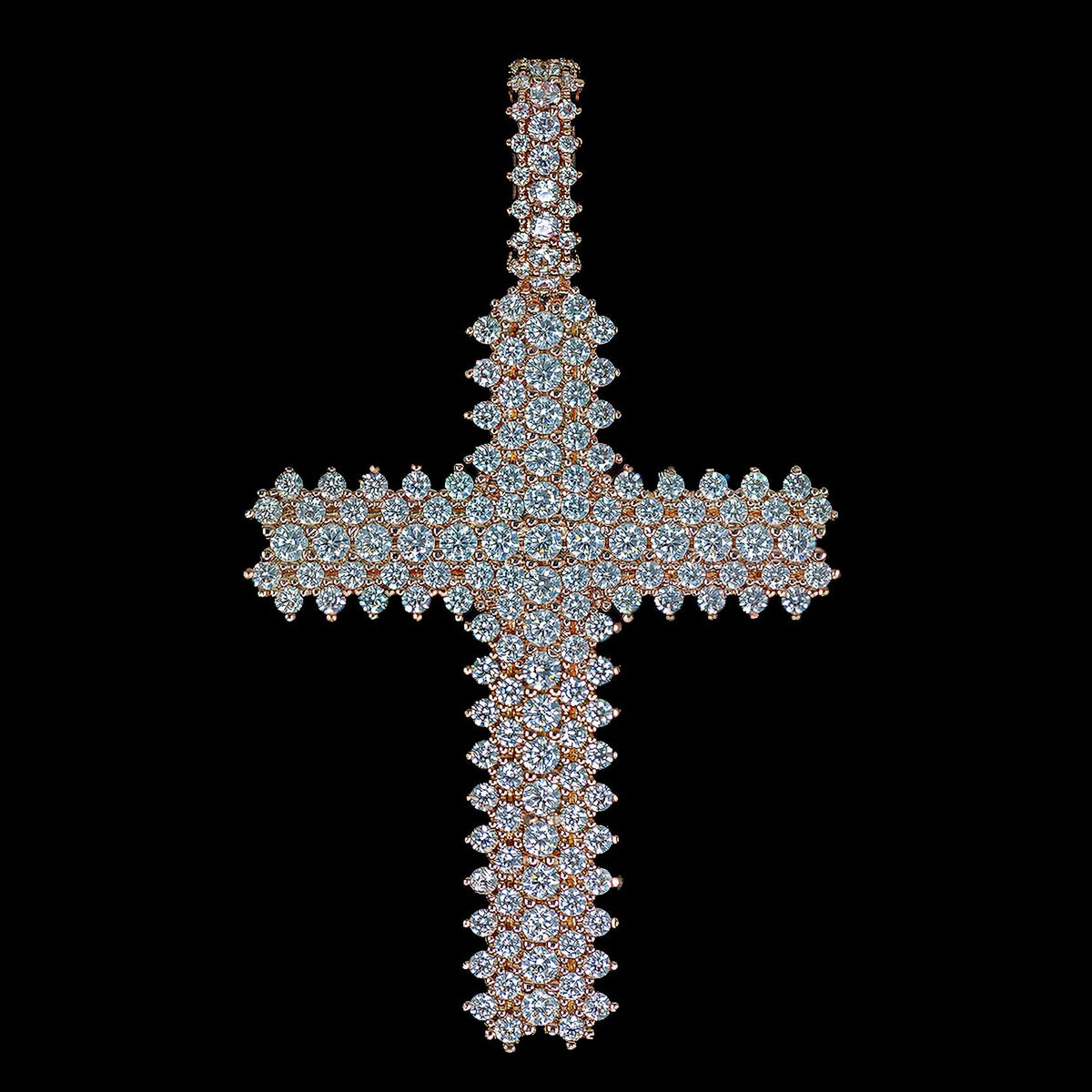
- Pendants of all types (20 to 25 percent)
The remaining quarter is split between rings, earrings, and watches.
Daily-wear pieces dominate over occasion pieces by a 4-to-1 margin. Men buy chains they will wear every day, not pieces they save for events.
What this means for the next 5 years
The category isn't slowing. Three trends will keep it growing:
- Younger generations are entering the market. Gen Alpha (born 2010+) is the first cohort that grew up watching artists wear jewelry on TikTok and Instagram. Jewelry on men is normal to them in a way it wasn't to their parents.
- Personalization is rising. Custom pendants, engraved pieces, lab-grown diamond customs at accessible price points. Men want their pieces to mean something specific to them.
- Layering is the next frontier. Single-chain wear was the entry. Two-chain stacks dominated 2020-2024. Three-piece coordinated sets (chain plus bracelet plus pendant) are the 2026-onward play.
Pro tip: if you are new to jewelry, the easiest entry point is a single 8mm cuban link chain in your gold of choice. It works with 90 percent of outfits and gives you a foundation to add to over time.
Bottom line
Men wear more jewelry now because the cultural permission is there, the price points are reachable, and the variety is real. If you've been on the fence about your first piece, the floor is open.
Browse SKRT's men's jewelry collection for entry-tier picks across categories.
Share:
Miami Cuban vs Prong Cuban: The Difference Explained
VVS vs VS vs SI: What Diamond Clarity Actually Means