



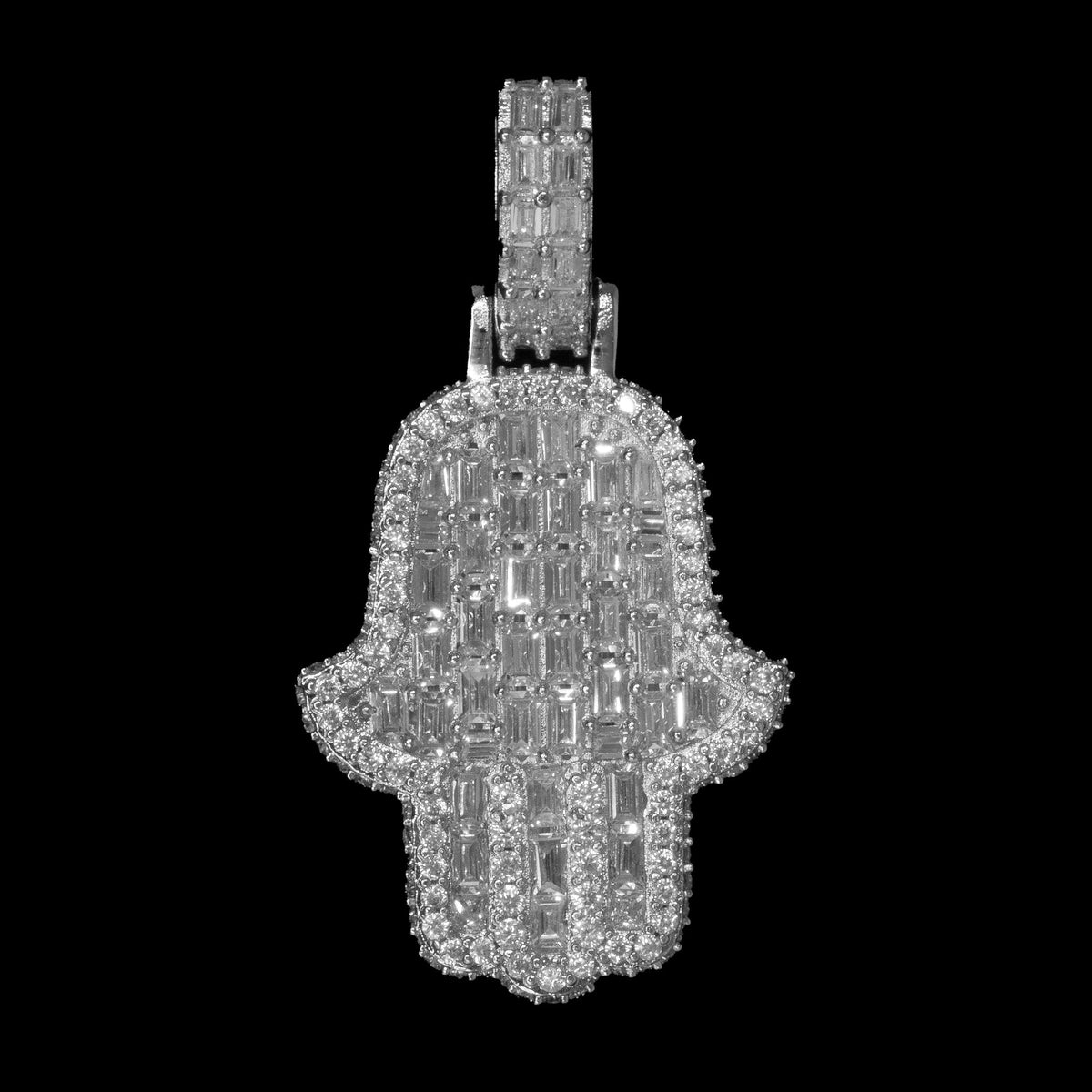
Twenty years ago, business style had one default: dark suit, conservative tie, no visible jewelry beyond a watch and wedding ring. Anything beyond that signaled "outside the system". Today, founders and operators in tech, media, fashion, and finance wear iced-out chains, statement watches, and pendant pieces in settings where their predecessors would have worn a pocket square.
The shift says something about what success looks like in 2026.
From signaling fit-in to signaling self-made
Traditional business jewelry signaled membership. The watch was a Rolex or a Patek, both inherited or "earned the right to". The cufflinks said boarding school. The signet ring said family.
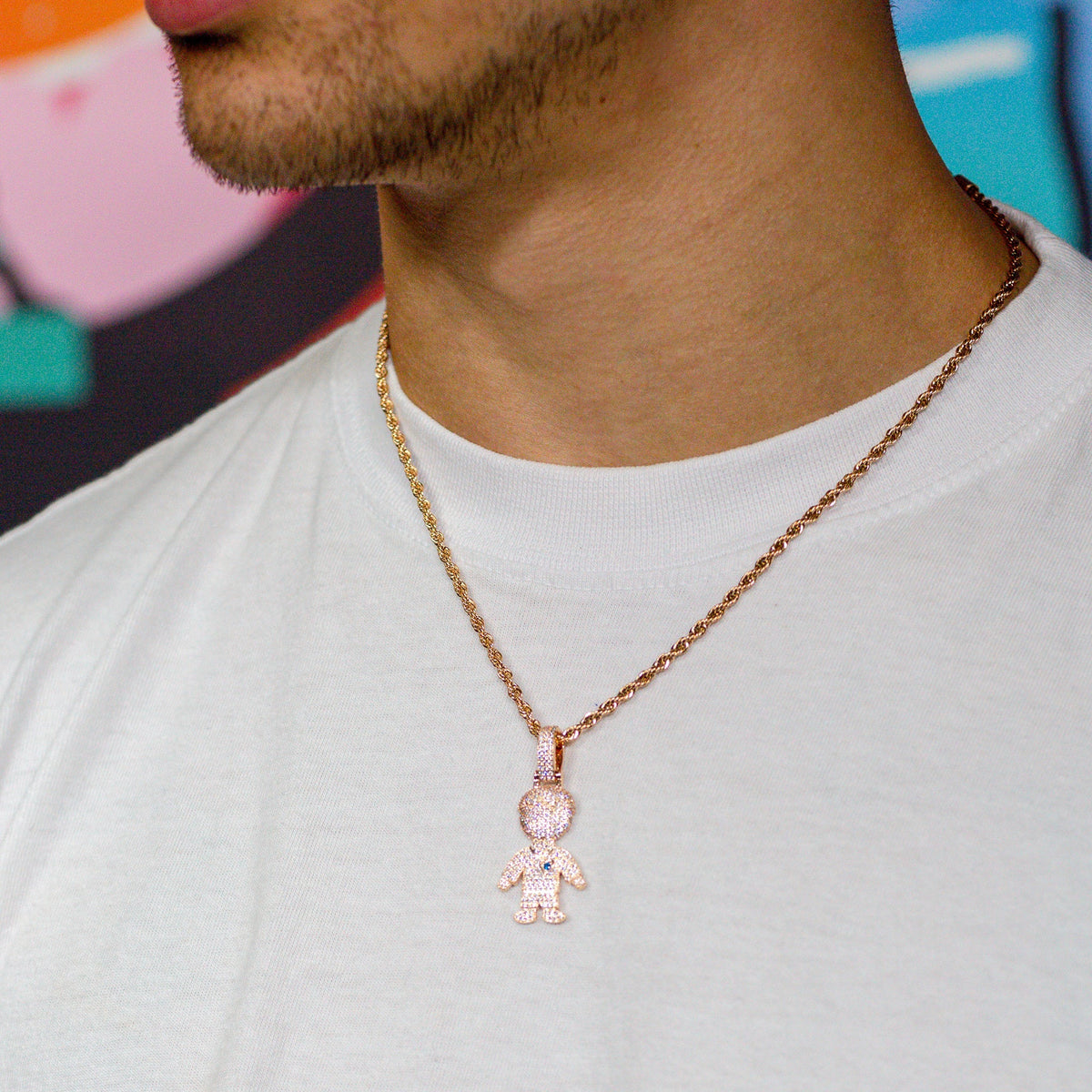
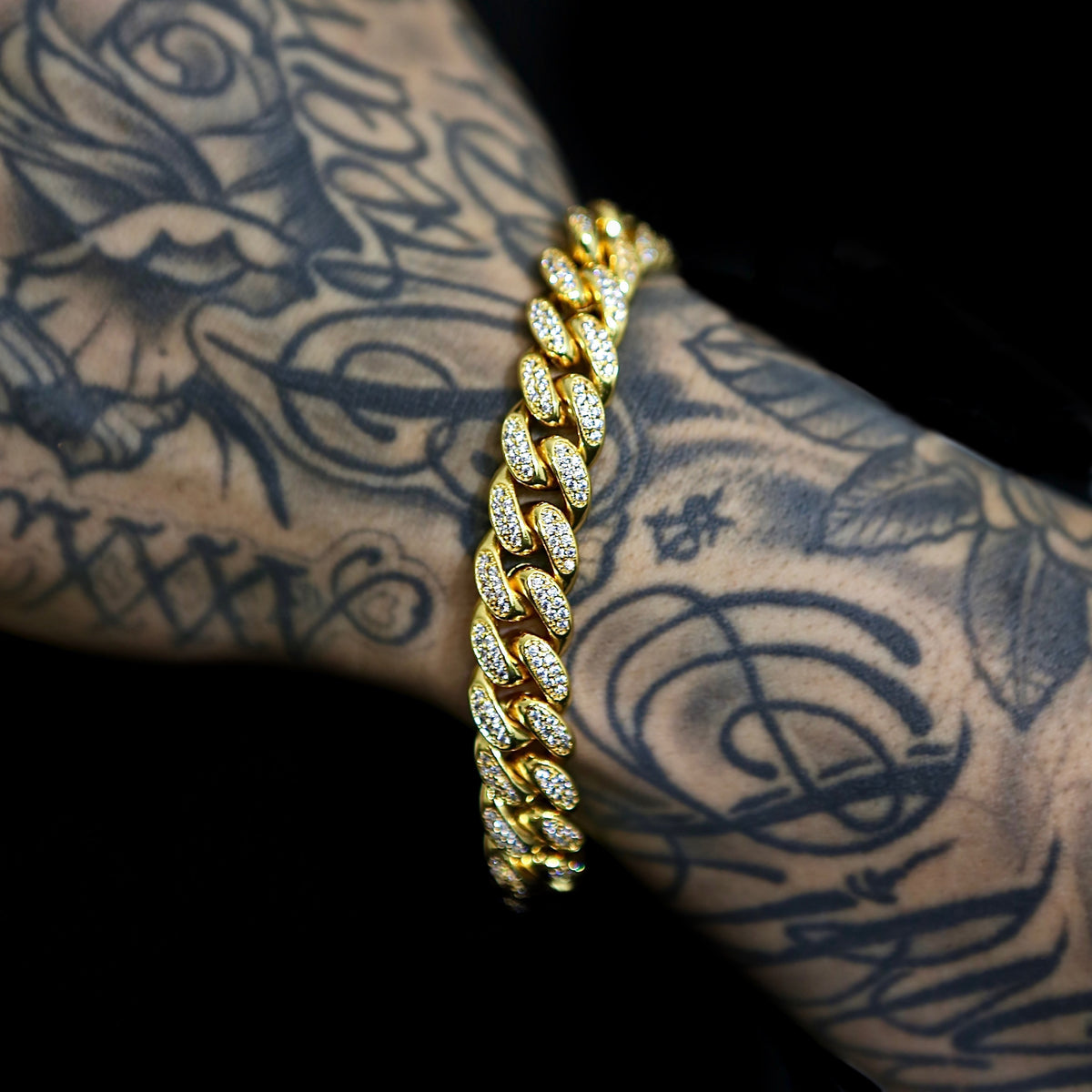
Modern iced-out jewelry signals the opposite. Nobody inherits a 12mm cuban link. Nobody is gifted an iced-out pendant by a private bank. Every piece in that style is bought by the person wearing it, with money they made themselves, in a style that originated outside the traditional financial elite.
For a generation of founders who built businesses from scratch, that origin story matters more than the heritage signal of an inherited watch.
The hip-hop legacy
The cultural shift traces back to hip-hop's influence on luxury. Run-DMC putting Adidas on their feet. JAY-Z making rocawear a name brand. Pharrell collaborating with Louis Vuitton. By the 2010s, the boundary between "streetwear" and "luxury" had collapsed for an entire generation of consumers.
The same generation now runs the companies. The chains they wore in college are now worn in board meetings, on podcasts, on magazine covers. The signal is consistent: they made it on their own terms.
What it actually says
A founder wearing a $5,000 iced-out chain is saying three things at once:
- I am not trying to fit your image of business. The jewelry visibly breaks the old uniform.
- I made enough money to buy what I want, however I want. The flex is the choice, not the price.
- I built this in a culture that valued this style. Streetwear founders, music industry founders, NBA owners, and Web3 founders share a stylistic vocabulary.
The chain is shorthand. Two people who recognize the vocabulary do not need to verify each other's bona fides.
Why the trend stuck
Three structural factors:
- Founders set the dress code. When the CEO wears chains, the company stops policing jewelry. The new normal trickles outward from leadership.
- Remote work loosened uniforms. When meetings happen on Zoom from kitchen tables, formal jewelry rules dissolve fast.
- Personal brand became business strategy. Founders are content creators by necessity now. Recognizable style helps the algorithm recognize them.
The chain is not a costume. It is a uniform for a different kind of business culture.
Picking the right piece
If the goal is "professional but unmistakably you", the rules are:
- One statement piece, not three (cuban link OR iced watch OR pendant, pick one)
- Match metal to wardrobe (yellow gold for warm tones, white gold for cool tones)
- Quality over flash (a well-made 10mm cuban beats a thin 18mm every time)
- Restrained settings when needed (a button-down covers most chains; a polo neckline shows them off)
The chain should make people remember you specifically, not the chain.
Bottom line
Iced-out jewelry in business settings is no longer a counterculture move. It is the new default for self-made founders across industries. Pick a piece that fits your story.
Browse the SKRT collection for chains, pendants, and watches that read intentional in any setting.
SKRT picks fitting this guide: the 18mm Rose Gold Flower Set Cuban Link Bracelet and the 6mm White Gold Tennis Chain in 18K White Gold.
Share:
7 Iced-Out Pieces That Dress Up Any Streetwear Fit