

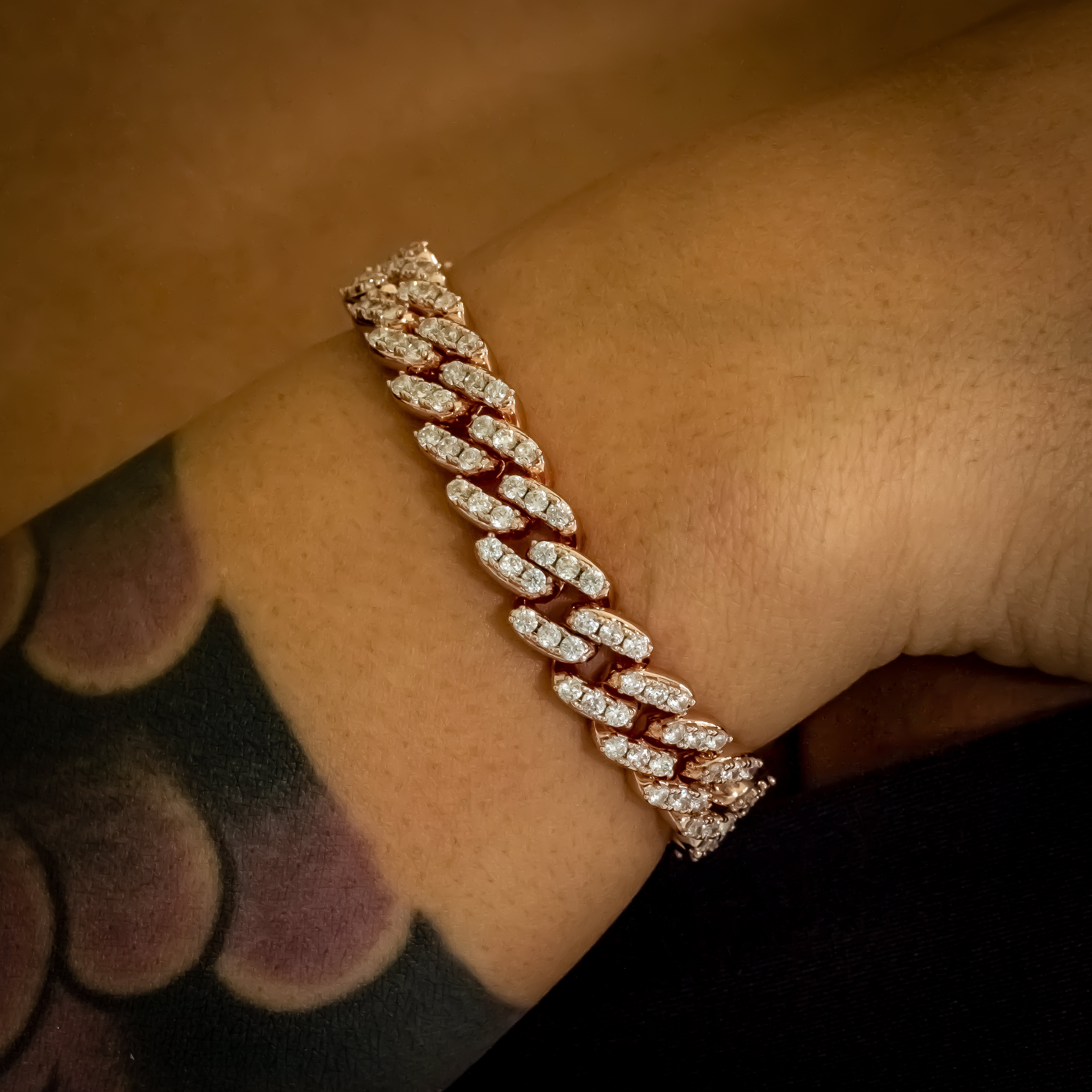
Gold plated jewelry gets two reactions from buyers. The first is "I want solid gold or nothing". The second is "plated is fine, it's just gold on top". Both are oversimplified. The actual answer depends on three things: plating thickness, base material, and how the piece will be worn.
What "gold plated" actually means
Plating is a layer of real gold bonded to a base metal. The base is usually brass, stainless steel, or sterling silver. The gold layer varies enormously in thickness from brand to brand.
Three terms get confused in this space:
- Gold plated (industry term). Decorative only. Wears off fast.
- Heavy gold plated or electroplated Daily wear acceptable for a year or two.
- Vermeil (over sterling silver). The legal definition in the US requires 10K or higher gold and a minimum thickness.
- Premium plating What SKRT uses. Heavy 18K gold plating that lasts years of daily wear before any visible thinning.
Thickness changes everything. A piece labeled "18K gold plated" with a flash layer will look thin and lose color in months. The same label on a heavily plated piece lasts years.
When plated makes sense
Plated wins on three specific fronts:
-
Iced-out pieces. A solid gold 12mm cuban with stones in every link costs five figures. The same piece in heavy plating costs hundreds. For iced-out jewelry where the stones are the point, the metal underneath being plated does not change how the piece reads.
-
Trendy designs. A pendant style you might wear for two years and retire does not need to be solid gold. The price difference funds the next piece.
-
Larger statement sizes. A solid 18mm cuban link is hard to wear because of weight (40+ grams). The plated version of the same chain is comfortable enough to wear daily.
When plated does not make sense
Plated loses to solid gold in three cases:
- Resale value. Solid gold has melt value. Plated does not.
- Heirloom intent. Solid gold lasts generations. Plated wears down eventually.
- Allergy concerns. A solid gold piece bypasses the nickel content sometimes used in plated base alloys.
What to ask before buying
When a piece is labeled "gold plated", get answers on:
- Plating thickness (not just the karat number)
- Base material (brass, steel, sterling silver, or proprietary alloy)
- Warranty length (longer warranties signal thicker plating)
- Care instructions (real plating handles water; thin plating does not)
If a brand will not answer these, the plating is probably thin.
Where SKRT lands
SKRT pieces use heavy 18K gold plating over a quality base alloy. The pieces handle daily wear, including showers, gym sweat, and travel, without color change or visible thinning. That construction is why we price below solid gold while still calling our gold "real".
Quick takeaway
Plating is not the problem. Thin plating is. Look for heavy plating over a quality base, and gold plated jewelry can outlast many "solid 10K" budget pieces. Browse the SKRT cuban link collection to see what heavy 18K plating looks like in person.
SKRT picks fitting this guide: the 12mm Cuban Link Chain in 18K Rose Gold, the 12mm Cuban Link Chain in 18K White Gold, and the 18mm Rose Gold Flower Set Cuban Link Bracelet.


Share:
Is SKRT Legit? Sourcing, Warranty, and Returns
Where to Buy Iced-Out Chains: What to Actually Look For