

10K gold and 14K gold both contain real gold. The difference is how much. 10K is 41.7% pure. 14K is 58.3%. That small percentage gap changes everything about how the piece wears.
Why karat number matters
Pure 24K gold is too soft for jewelry. It dents from a fingernail. Every karat below 24 mixes pure gold with harder metals (copper, silver, zinc, nickel) to make the alloy tough enough to handle daily wear.
More copper or silver in the mix means a harder piece that scratches less and holds settings better. It also means less pure gold per gram. So the karat tradeoff is durability versus richness of color and value retention.
The 10K argument
10K is significantly harder than 14K. For an iced-out piece with prong-set stones, that hardness matters. The prongs hold their grip longer. The chain links flex less under weight. The clasp does not warp.
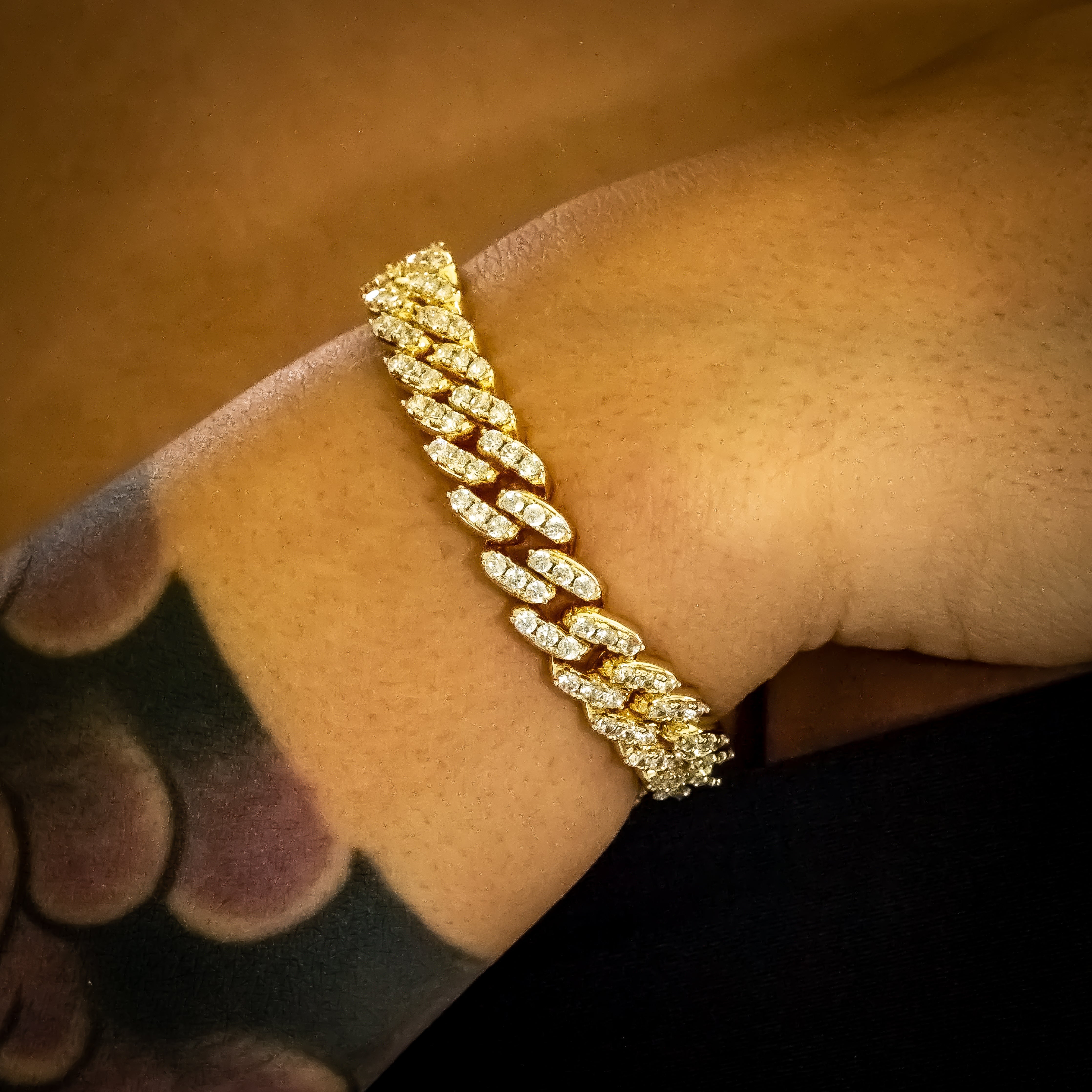
10K is also cheaper for the same physical size. A 12mm cuban in 10K costs less than the same chain in 14K because the gold content is lower. That difference can be 30 to 40 percent depending on market price.
The downside: 10K reads slightly paler than 14K in yellow gold. The added silver and copper cool the tone.
The 14K argument
14K is the industry default for fine jewelry in the US for a reason. The color is warmer, especially in yellow gold. The piece reads as obviously gold, not gold-adjacent. Resale value holds better because more buyers recognize 14K as "real gold".
14K is still hard enough to handle daily wear for most pieces. It will scratch faster than 10K, and the prongs will need attention sooner, but it remains a strong daily-wear material.
The downside: more money for less hardness.
Where SKRT lands
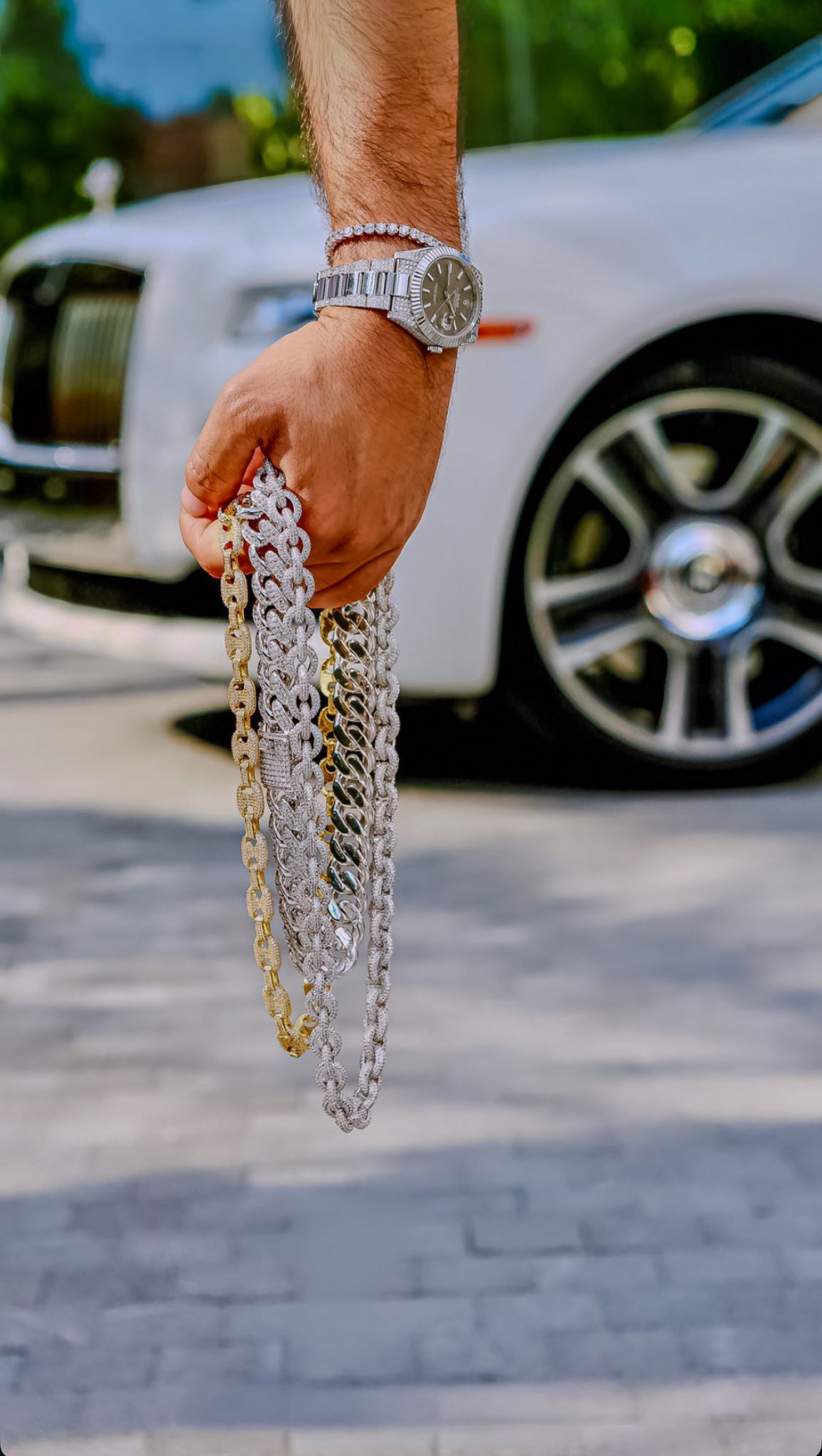
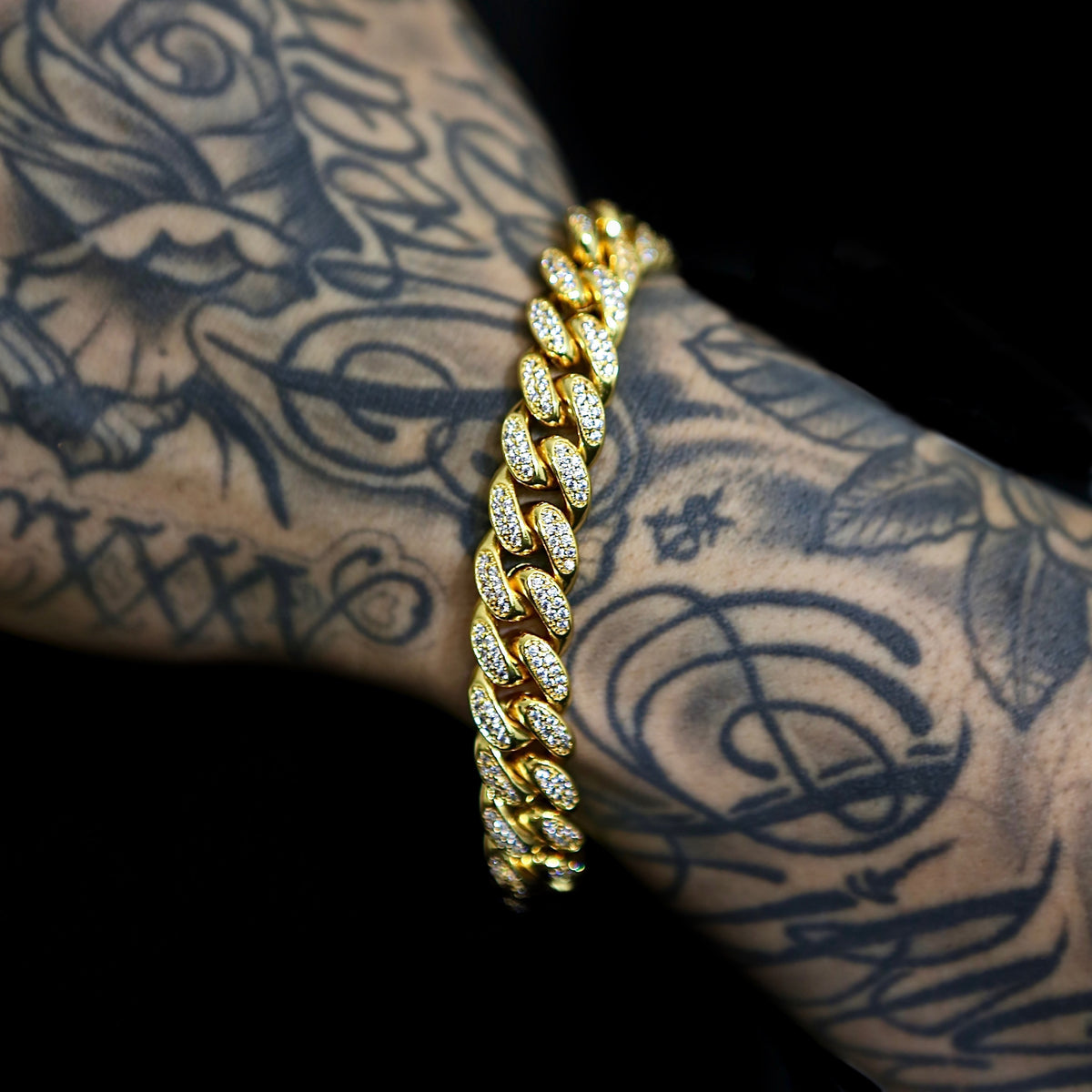
SKRT pieces are 18K gold plated over a quality base, not solid 10K or 14K. The plating is heavy and the base alloy is engineered for hardness. The piece reads as 18K in color (richer than 10K, warmer than 14K) at a price point neither solid 10K nor 14K can match for the same physical size.
If solid gold is the goal, 10K wins for daily-wear iced pieces and 14K wins for occasional-wear or resale priority. If maximum color and size for the budget is the goal, SKRT's 18K plating gets you there.
Quick takeaway
10K: harder, cheaper, paler. Best for daily iced-out pieces. 14K: warmer, pricier, slightly softer. Best for occasional wear and resale. 18K plated (SKRT): richest color, biggest size for the dollar.
See the difference in person. Browse the SKRT cuban link collection and compare the gold tones side by side.
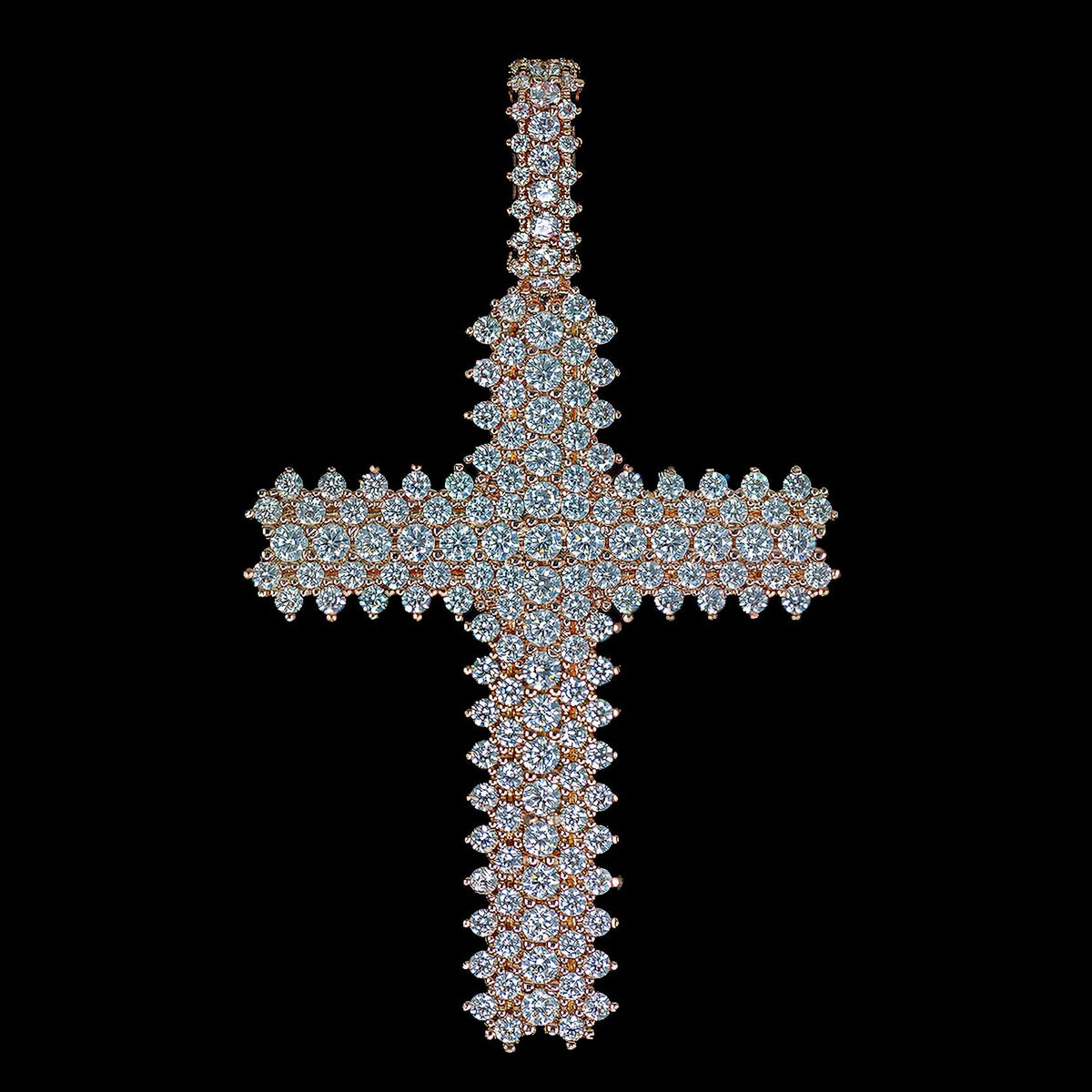
SKRT picks fitting this guide: the 12mm Cuban Link Chain in 18K Yellow Gold, the 18mm Rose Gold Flower Set Cuban Link Bracelet, and the 18mm Rose Gold Flower Set Cuban Link Bracelet - Iced Out.
Share:
What Is a Tennis Chain? Why It's Called a Tennis Necklace
From Gym to Dinner: 5 Outfits That Work With a Cuban Chain